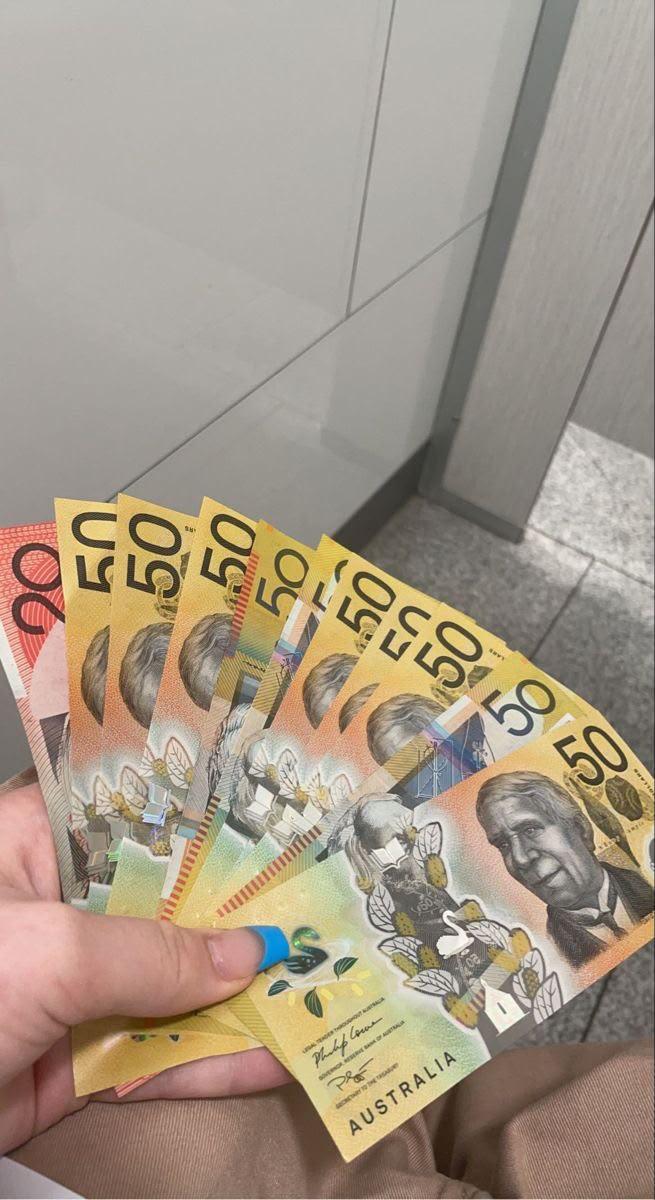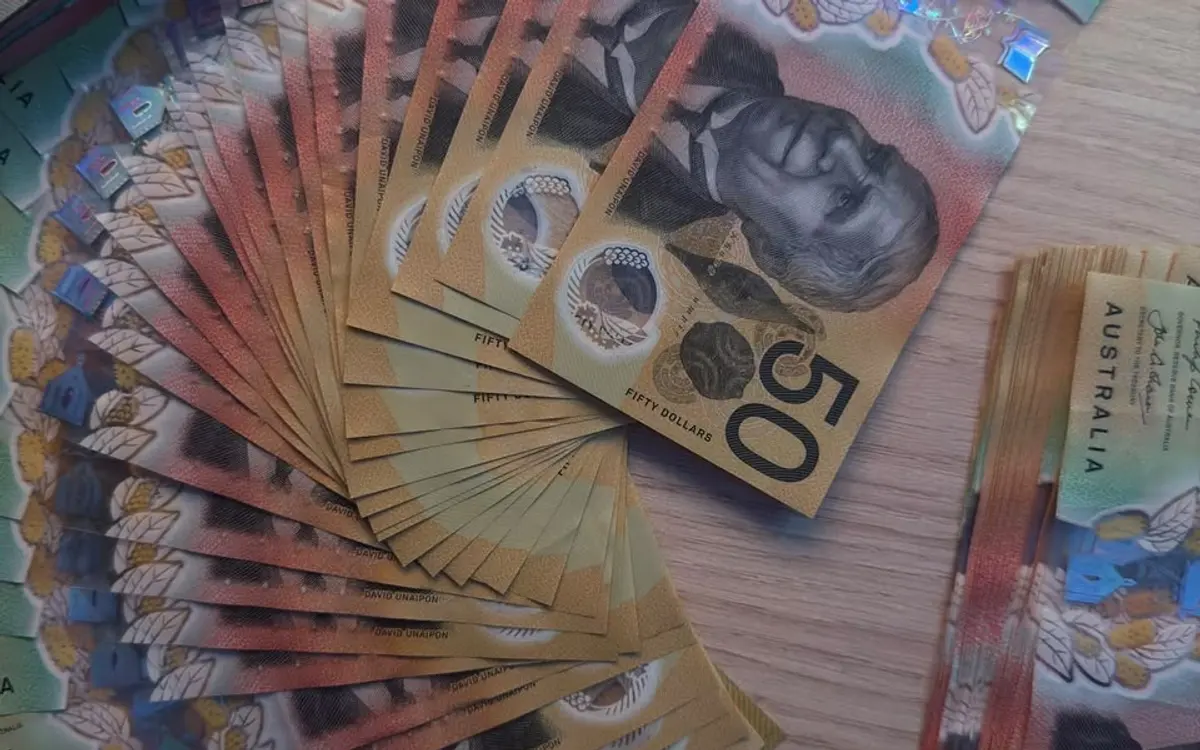
How much money do you start with in the Monopoly game? It is one of the most searched game questions, usually asked at the start of an evening when somebody cannot find the rules. This guide gives the standard answer, a note-by-note breakdown, the common house rules that change the amount and a practical way to play a longer or bigger game by adding a set of play money. Rules differ between editions and countries, so always check the rulebook in your own box. Monopoly is a registered trademark of its owner, and PROPPS is not connected with the game.
The short answer
In the standard edition of Monopoly, each player starts with $1,500 in the game's play money. The banker deals it out before the first roll and keeps the rest in the bank. Some editions, such as quick-play or themed versions, use different amounts, so confirm the number printed in your rulebook. If your set is missing notes, a small play money set from our Australian range can stand in.
The starting note breakdown
The classic starting hand is usually dealt like this in the standard edition:
| Note | How many | Total |
|---|---|---|
| $500 | 2 | $1,000 |
| $100 | 2 | $200 |
| $50 | 2 | $100 |
| $20 | 6 | $120 |
| $10 | 5 | $50 |
| $5 | 5 | $25 |
| $1 | 5 | $5 |
| Total | $1,500 |
Check your own edition, because some versions use different splits. The principle is the same: a mix of big notes for property and small notes for rent and change.
What the banker does
The banker deals each player's starting money, pays salary, collects taxes and sells properties. Experienced players often make the most generous person the banker and let them also play, keeping their own money separate. A tidy bank means the game runs smoothly: sort the notes by value and keep the small ones close at hand.
Why the amount matters
The starting amount shapes the first half of the game. With $1,500 you can buy two or three properties early and still pay rent. Players who spend everything on the first lap are in trouble when they hit an opponent's hotel. Many family arguments begin with a miscounted bank or a forgotten salary.
House rules that change the starting money
Families and clubs adjust the game to suit their group.
- A bigger start. Giving every player $2,000 or $3,000 shortens the buying phase and gets people into the trading stage faster.
- A smaller start. A starting amount under $1,500 makes the game tighter and more competitive.
- Free Parking jackpot. Fines and taxes go to the middle of the board and the lucky player gets the pot. This increases money in circulation.
- No auction rule changes. Some groups skip auctions to keep the game quick.
These are house rules, not official rules, so agree them before you start.
How to run out of money less often
The bank can run out of small notes in a long game. If that happens, you can write IOUs on paper, but it is easier to have spare notes. A set of play money in $1, $5, $10 and $20 notes keeps the game moving. Buy a set in Australian-style denominations and add it to the bank. Our event and party prop cash pack works for this, and the guide to Monopoly money vs Australian play money explains the differences.
Adding play money for a larger game
If you are playing with six or eight people, or running a tournament at a club, the box money may not stretch. Add a play money set and agree on a conversion: for example, treat the extra notes as the same value as the box notes. Mark the added notes by sorting them into their own tray so they do not mix up with the original set.
Teaching money with Monopoly
Monopoly is also a classroom tool. It teaches counting, change and basic budgeting. A teacher can use the starting money for a lesson: how much is left after buying a property, how much rent is due, how many $50 notes make $500. Our guide to fake money for classroom lessons has activities by year level.
Keep play money clearly play money
Whatever set you use, play money should be obviously play. The Reserve Bank publishes guidance on banknote reproductions, and the Crimes (Currency) Act 1981 covers counterfeit currency. PROPPS notes carry a clear non-legal-tender marking, and our compliance page explains the standard.
Common mistakes in the first five minutes
- Dealing the wrong notes. Check the breakdown against your edition.
- Forgetting the banker keeps their own money separate. It prevents accidental cheating.
- Letting the bank run out of small notes. Keep a spare set.
- Not agreeing house rules. Decide before rolling.
Setting up the bank before you play A good game starts with a tidy bank. Before the first roll, sort the notes by denomination in a tray or the box lid. Give each player their starting hand and put the remaining notes in the bank. Place the title deeds, houses and hotels near the banker. A well-organised bank takes two minutes to set up and prevents arguments later.
How the starting amount changes strategy The starting amount sets the pace. With the standard $1,500, most players buy the first few properties they land on and aim for a colour set. A smaller start makes players cautious and slows the game down. A larger start encourages early buying and quick development, which can make the game shorter and more aggressive. If your group likes long games, try the standard amount. If you want a faster game, add money.
Starting hands for different group sizes With two or three players, the standard amount works well because there is more money in the bank for each person. With six to eight players the bank can get tight, so many groups add a spare set of notes. A small play money set in $1, $5 and $10 notes is ideal because it fills the denominations that run out first. A casual tip: keep the $500 notes for later in the game, when players are building hotels.
Tracking money during the game Experienced players keep a mental total. If you lose track, ask the banker for a quick count. For long games, write the starting amount on a sheet of paper and update it after big purchases. Some people use a simple score sheet. Keeping a record also helps settle disputes at the end of the night.
Variants that use more or less money Some groups play a speed version where the game ends after a set time and the richest player wins. Others run a tournament where every player starts with the same hand and the lowest-ranked player is eliminated each round. Adding extra notes for a tournament helps because there are more transactions. A larger bank also makes it easier to support a game of eight or ten players.
What to do if someone runs out of money Rules for bankruptcy are in the rulebook. In practice, many families allow players to mortgage properties and trade before they are out. If a player runs out of notes because the bank has none left in a denomination, the banker can make change from other notes or use IOUs. Having a spare set avoids that issue.
Replacing lost starting money If your starting hand is incomplete, buy a play money set and match the denominations. You do not need to match the colours exactly, but you do want the same values. Keep the replacement notes in a separate bag so you know which are which. Our guide to [Monopoly money amounts](/blog/monopoly-money-amounts-every-denomination-and-how-many-notes-are-in-the-bank/) lists the usual denominations.
Quick answers before you roll Most first-time questions come down to a handful of points. Every player starts with the same hand. The banker keeps the bank separate from their own money. Salary is paid each time a player passes Go. Taxes and fines go to the bank unless you use the Free Parking house rule. If a player cannot pay, they sell or mortgage before declaring they are out. Agreeing these points in a minute at the table removes most disputes, and it is worth writing the house rules on a card kept inside the box lid so next game night starts quickly.
Teaching children the starting hand Children enjoy dealing the starting money. Ask them to count out the hand into piles by value, then check the total together. It turns the setup into a short counting game. Younger players can use a smaller hand with only $1, $5 and $10 notes, which keeps the numbers friendly. Older children can handle the full range, including large notes. A child who learns to count a $1,500 hand without help has practised addition, grouping and checking, all before the first dice roll.
Where to go next
Read play money vs prop money, see Monopoly money amounts and denominations or browse the play money range. PROPPS orders start at the $150 AUD minimum, delivery is free from $500 AUD and cryptocurrency payments receive a 10% discount. We invoice and ship from Eltham, Melbourne by Australia Post Express with a signature on delivery. See the shipping policy for times and the refund policy for the 3 to 8 business day refund window.