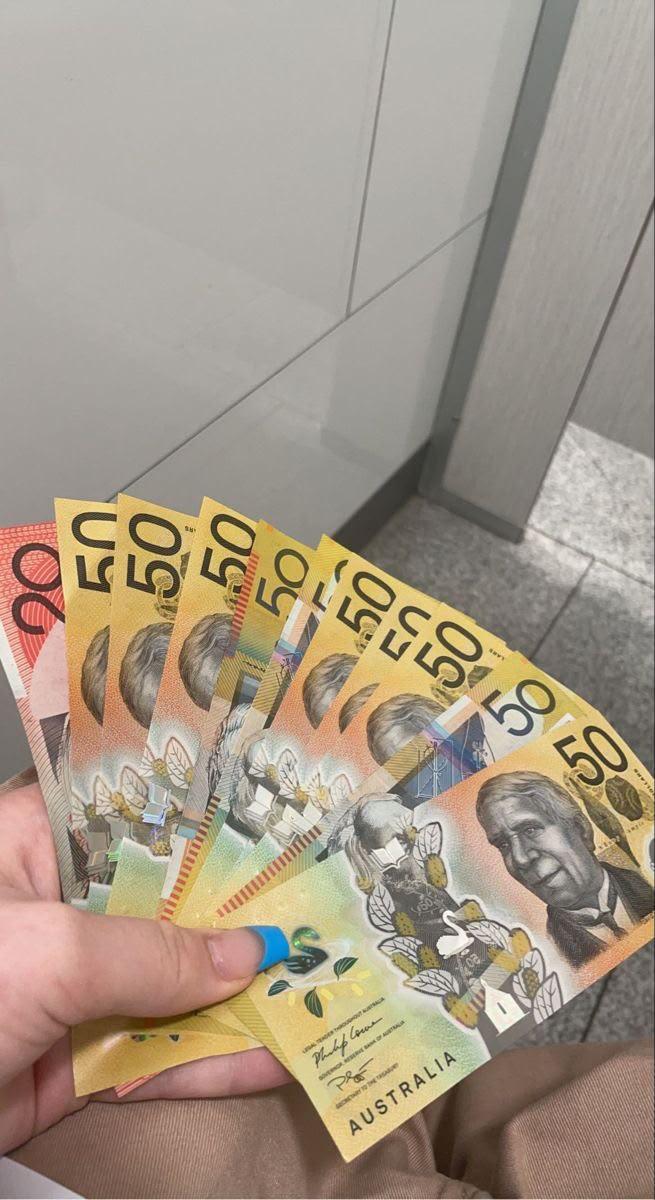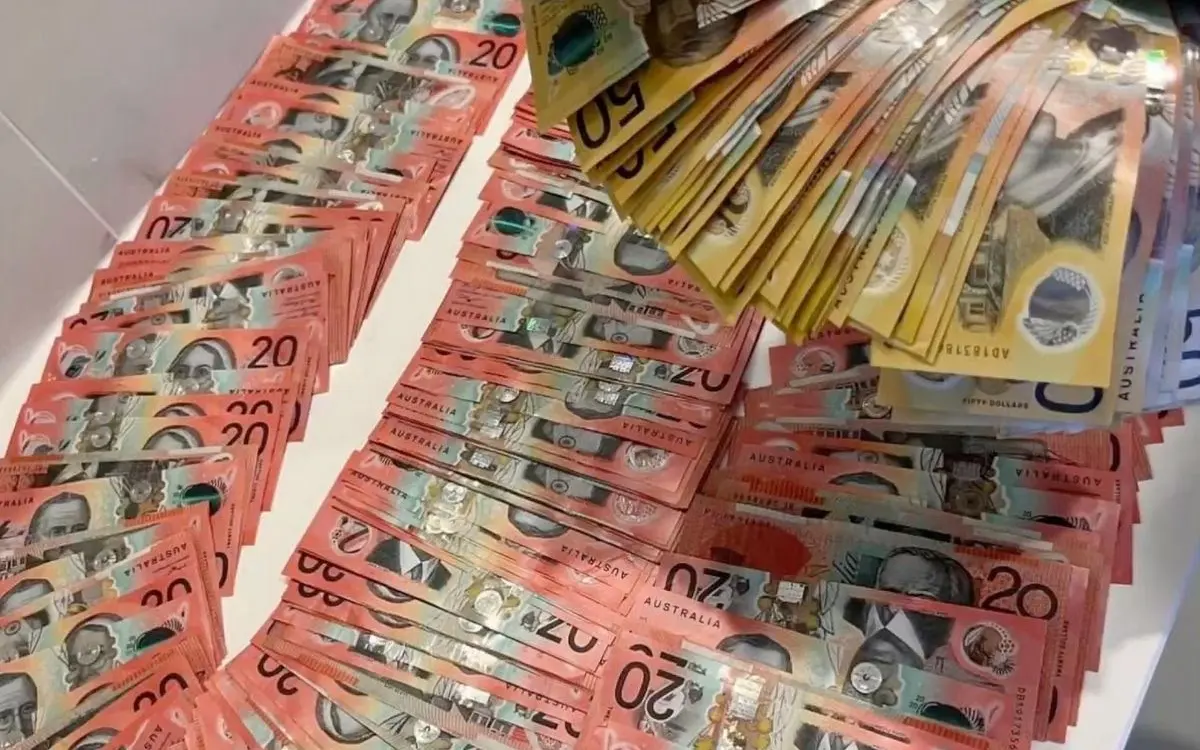
Monopoly money is the most famous play money in the world. Pastel notes with simple numbers, passed around a board and slowly collected by whoever owns the hotels. Because it is so well known, people search for monopoly money whenever they need pretend cash, even when they are not playing Monopoly. This guide explains what Monopoly money actually is, where it works, where it falls short and when Australian play money is the better choice for a classroom, a party or a game of your own. Monopoly is a registered trademark of its owner, and PROPPS is not connected with the game; we simply sell Australian play and prop money.
The short answer
Use the money in the box for Monopoly. For everything else, such as a shop game, a classroom, a casino night or a party, use a dedicated play money set with Australian denominations, which is usually larger, clearer and sturdier. Our Australian play money range is built for exactly that.
What is Monopoly money?
Monopoly money is the paper currency that comes with the board game: coloured notes in a range of denominations, handled by a banker and traded between players. It is designed to be cheap, easy to read and obviously not real. It is the model most people picture when they say play money. The amounts and designs differ between editions and countries, so check the rules in your own box.
Why people search for monopoly money
The search usually has one of four purposes.
1. Replacing lost notes. A set is missing a few $50s.
2. Looking for a printable. Someone wants to print a spare set.
3. Finding pretend money for another game. A kids' shop, a role play or a party.
4. Learning the rules. How much each player starts with. See our guide on how much money you start with in Monopoly.
Each need has a different best answer, which is what the rest of this guide covers.
Monopoly money vs Australian play money
| Question | Monopoly money | Australian play money set |
|---|---|---|
| Purpose | One board game | Games, lessons, parties, role play |
| Currency | Game denominations | Familiar Australian denominations |
| Quantity | Whatever is in the box | Chosen by you |
| Durability | Light paper, wears out | Heavier stock, built for handling |
| Look | Pastel, game-themed | Australian-style notes with play marking |
| Replace | Hard to buy separately | Order more any time |
When Monopoly money is enough
If you are playing Monopoly, use Monopoly money. The notes are matched to the rules, the bank and the pace of the game. There is no reason to swap them unless you have lost many of them.
When to switch to Australian play money
A classroom shop or maths lesson. Children practise with the notes they will meet in real life. Our guide to classroom play money shows how.
A casino or game night. Guests need a float and a way to cash out. See fake money for parties.
A kids' pretend shop. A set of notes with clear denominations works better than a handful of game bills.
A house rule version of Monopoly. If you want a longer game with more money in circulation, add a set of play money to the bank.
How many notes does a game need?
For a family board game, the box is designed to fit. For anything else, count the players and decide the float. A table of six playing a shop game needs a float for each player plus a bank for change. A casino night with twenty guests needs twenty floats and a bigger bank. Buy slightly more than the headcount suggests, because a shortage stops the game.
Keep play money clearly play money
Play money should never be something that could be mistaken for real currency. The Commonwealth Crimes (Currency) Act 1981 covers counterfeit currency, and the Reserve Bank publishes guidance on banknote reproductions. Monopoly money passes this test easily because it is obviously a game. Australian play money from a supplier should carry a clear play or specimen marking. PROPPS notes do. Our compliance page explains how we build to the standard.
Replacing lost Monopoly notes
If you have lost a few notes, the cheapest fix is a small play money set in similar denominations. It will not match the colours exactly, but the game works. For a long-lived board game collection, keep a spare set in the box with the rest.
Monopoly money printable: should you print it?
A printable set can rescue a game night, but it is slow to cut and short-lived. For a one-off game, printing is fine. For regular use, a ready-made set is easier. Our guide to play money printouts compares the two.
Common mistakes
- Using realistic notes for a party game. Guests take notes home. Use play money.
- Running out of small notes. The bank needs plenty of $1 and $5 notes for change.
- Mixing sets without checking denominations. Two sets with different values confuse players.
- Letting children keep notes that look real. Use clearly play notes.
Where PROPPS fits
We do not sell the board game. We sell Australian play money and prop notes. The event and party prop cash pack is the usual choice for games, classrooms and parties, and the bulk money stack pack suits larger events. If you need help choosing, contact the studio.
A short history of play money in games Play money is as old as board games. Early commercial games used simple paper notes so that players could pass value around the table without confusion. The idea stuck because it works: notes are tactile, easy to count and make a game feel like a real economy. Over time, play money became its own product, sold for classrooms, toy shops, parties and theatre. Monopoly made one style famous, but the category is much wider.
Why Monopoly money feels the way it does Monopoly notes are designed to be simple. They use a limited colour scheme, large numbers and little detail. This makes them easy to read across a table and hard to mistake for real currency. The paper is light so the box stays small and cheap. Those design choices suit the game but explain why the notes wear out. When a family plays Monopoly every weekend for years, the notes curl, tear and disappear.
Ways to extend a long game Some groups play Monopoly for hours or over several sessions. A longer game needs more money in circulation, and a small play money set helps. A few house rules work well: add a second bank for a variant game, give every player a bonus on a rule-based event, or use the spare notes as a separate pool for a side game. Whatever you choose, agree the rules before you start. Our guide on [how much money you start with](/blog/how-much-money-do-you-start-with-in-the-monopoly-game-and-how-to-play-with-more/) lists common variations.
Using play money for other board games Many games use money in some form. Trivia nights can use play money as scoring. Auction games work well with a float for each player. Role-playing games often include a shop where players buy gear. A set of Australian-style notes covers all of these. Keep a spare set in your games cupboard so any group can use it.
Using play money at school fairs and fundraisers A fete or fair with play money stalls is a fun way to run a children's area. Each child receives a small amount of play money and can spend it at games and stalls, with each stall giving a small prize. Because the money is clearly play money, it avoids the problems of children handling real cash. Collect the notes at the end and reuse them for the next event. See our guide to [fake money for parties](/blog/fake-money-for-parties-casino-nights-birthdays-weddings/) for event ideas.
Looking after your set Wherever you play, store notes flat in a box, sort them by denomination and keep them away from damp. Replace torn notes before they cause arguments. If the set is shared between several households or a club, keep a note of how many notes are in the box so missing ones are noticed quickly.
Teaching with play money Teachers often start with the idea of a simple economy. Students earn, save and spend play money, and the class discusses what makes a good price. The same approach works in a family: children can earn play money for chores and spend it on small privileges. It is a gentle introduction to budgeting. If you want a ready-made option for a class, see [fake money for classroom lessons](/blog/fake-money-for-classroom-play-money-lessons-by-year-level/).
Where to go next
Read play money vs prop money, see Kmart play money vs a prop supplier or browse the play money range. PROPPS orders start at the $150 AUD minimum, delivery is free from $500 AUD and cryptocurrency payments receive a 10% discount. We invoice and ship from Eltham, Melbourne by Australia Post Express with a signature on delivery. See the shipping policy for times and the refund policy for the 3 to 8 business day refund window.