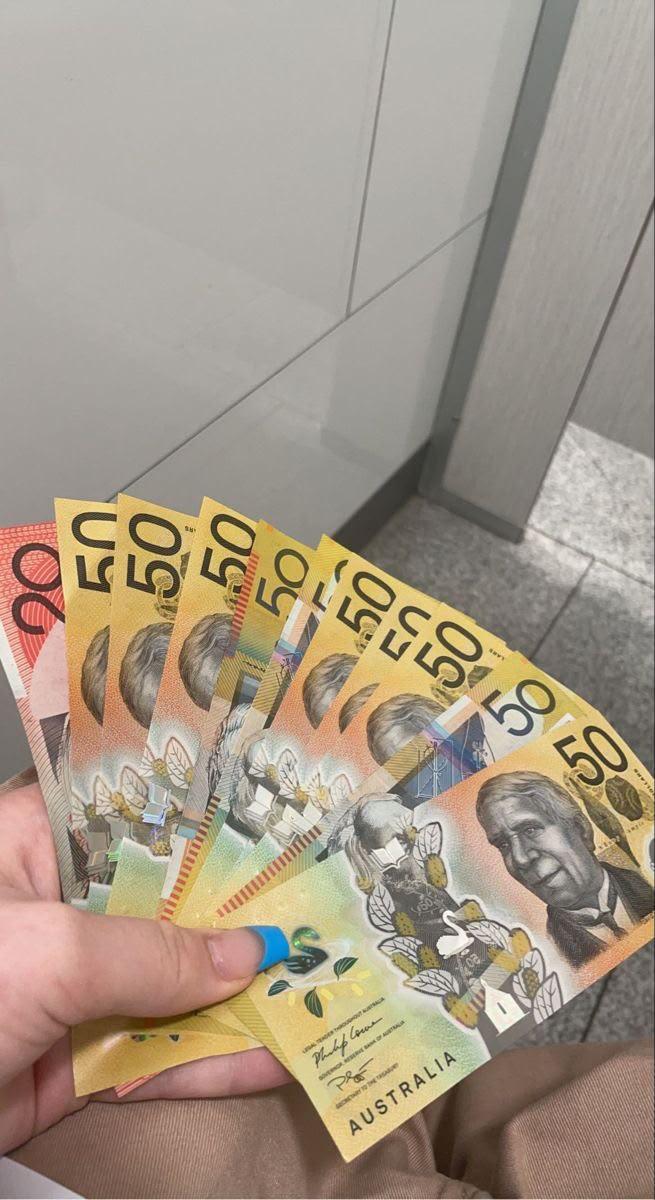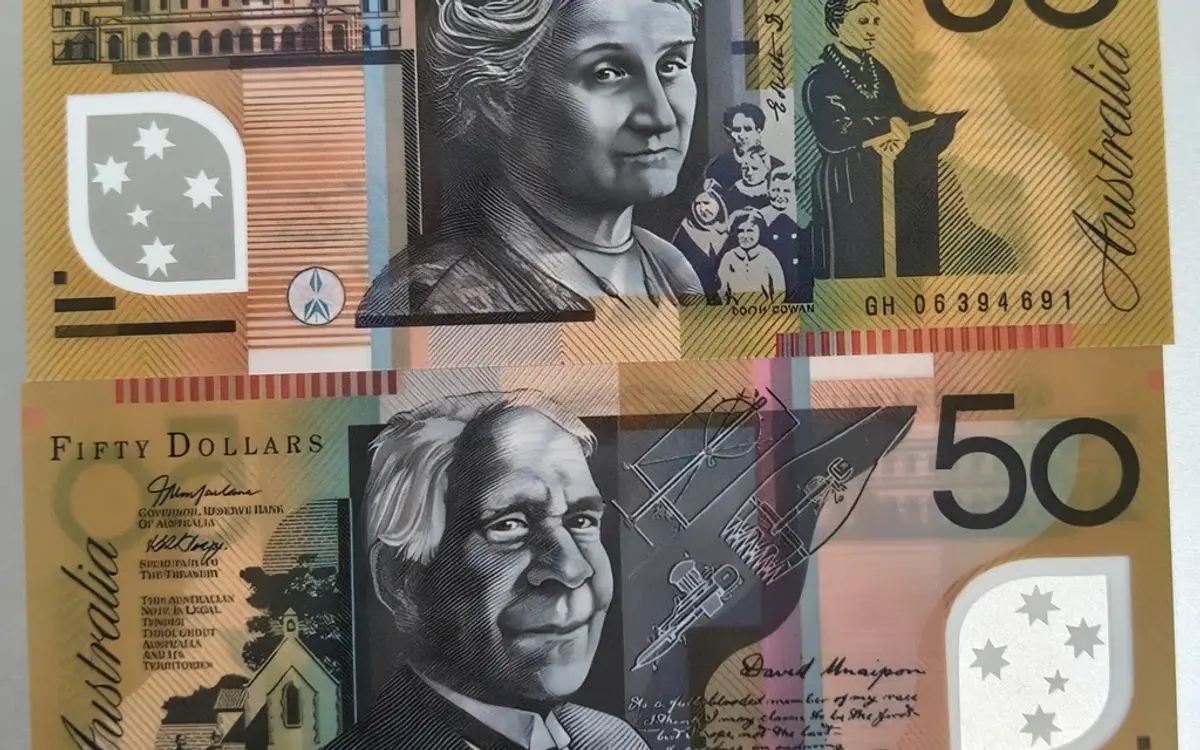
A toy shop money game is one of the oldest and best ways to teach children about money: a table, a few toys with price tags, a till and a pile of notes. Children play shopkeeper and customer, count out payments and work out change without realising they are doing maths. This guide shows how to set up a toy shop money game at home or in a classroom, how much play money you need, how to run the game for different ages and what to look for when you buy a set. It is general information, and every note we mention is clearly play money.
The short answer
For a shop game you need three things: items with simple prices, a shopkeeper's till with change, and a set of play money for the customers. A mixed set of Australian-style notes in $5, $10, $20, $50 and $100 is enough for most games. The event and party prop cash pack is the set we recommend for pretend shops. Keep the notes in a box, count them back in at the end and replace torn ones.
What you need for a toy shop money game
1. Items to sell. Toys, books, cups, anything small. Keep it to ten or fewer.
2. Price tags. Use sticky labels with simple numbers such as $2, $5 and $10.
3. A till or tray. A shoebox with sections for each denomination works.
4. Play money. Notes for the customers and a bank for the shopkeeper.
5. A bag or basket. For the shopping.
6. A small notebook. For the shopkeeper to record sales if the children are older.
How much play money do you need?
Plan by players and by price range.
| Players | Price range | Suggested play money |
|---|---|---|
| 2 children | Up to $10 | One mixed set |
| 4 children | Up to $20 | One mixed set per pair, plus a till bank |
| Class of 24 | Up to $50 | Six or more sets plus a teacher's bank |
| Party of 10 | Up to $20 | Float per child plus a till |
The most common mistake is not having enough small notes. The shopkeeper needs plenty of $5 and $10 notes for change. If you run out of small notes, the game stops while someone tries to break a $50.
How to run the game by age
Ages 3 to 4. Do not worry about exact amounts. Let them hand over one note for one toy and practise saying thank you. The goal is the idea of exchange.
Ages 5 to 6. Use prices up to $10 and let children count notes. Prices of $1, $2 and $5 work well. Introduce the idea of change by letting the shopkeeper give back a note.
Ages 7 to 8. Prices up to $50. Customers choose several items and add them up. The shopkeeper checks the total and the change.
Ages 9 and over. Add discounts, a sale sign, a budget and a loyalty card. Students can record sales and calculate profit. See our guide to fake money for classroom lessons by year level.
Rules that keep the game fun
- Swap roles. Every child takes a turn as shopkeeper.
- Count aloud. It builds number sense and catches mistakes.
- Check change together. The shopkeeper counts back from the price to the note handed over.
- Tidy up as a team. Sort notes by value and count them back in.
- Play money stays in the game. It is never used to pay for anything real.
Turning the game into learning
A shop game becomes a maths lesson with small changes.
1. Price puzzles. Give each child $20 and ask what they could buy.
2. Two-step problems. Buy two items and work out the change.
3. Budget challenges. Spend as close to $50 as you can without going over.
4. Sale days. Half price on Friday. Children recalculate prices.
5. Profit. The shopkeeper buys stock at one price and sells at another.
Our guide to toy money and play money for kids' games and learning has more ideas, and the article on monetary toys and play money sets explains which types suit which ages.
Choosing play money for a shop game
Look for a few key things.
1. Australian denominations. Children learn the values they will see in real life.
2. Clear play marking. The notes should be obviously not real currency. PROPPS notes carry a specimen marking.
3. Sturdy paper. Children handle notes a lot.
4. Enough small notes. For change.
5. A supplier that ships in Australia. With an invoice and tracking.
Compare options in our guides to Kmart play money vs a prop supplier and play money printouts.
Safety and the law
Play money should be clearly play. The Commonwealth Crimes (Currency) Act 1981 covers counterfeit currency, and the Reserve Bank publishes guidance on banknote reproductions. A children's set with a play marking and a design that is not a copy of a real note is the safe choice. Our compliance page explains how PROPPS builds to the standard.
Setting up a classroom or party toy shop
For a class, set up three or four stations, each with its own shopkeeper and till. Rotate children every ten minutes. For a party, run the shop as an activity: each child gets a float and a bag, and they shop for small prizes. At the end, count the notes back in, and everyone takes home a prize. A shop game also works for fundraisers and school fetes, when children play the shopkeepers.
Common mistakes
- Too many items. Ten is plenty.
- Prices that are too hard. Match prices to age.
- No change in the till. Give the shopkeeper small notes.
- Letting the game drag on. Fifteen to twenty minutes is enough for young children.
- Forgetting to count back. Missing notes are the most common complaint.
Shop themes that kids love A toy shop money game works with almost any theme. A grocery store with plastic food, a cafe with a menu, a bakery with cardboard cakes, a pet shop with soft toys and a bookshop all work well. Let the children choose the theme and make the signs. A cafe lets you add a menu with prices, which is great practice for reading numbers. A bank theme adds another level because one child can act as the teller and change notes into smaller ones.
Making price tags and signs Children enjoy making price tags. Use sticky labels or cards, and write prices in large numbers. For younger children, keep prices as whole dollars. For older children, include cents so they practise decimals. A sale sign with a percentage is a fun challenge for students who are learning fractions. Display a price list near the till so the shopkeeper can check totals quickly.
Giving change step by step Giving change is the heart of a shop game, and it is a skill many adults still find tricky. Teach the counting-up method: start at the price and count up to the amount handed over. If an item costs $7 and the customer gives a $10 note, the shopkeeper says seven, then adds $1 notes or a $2 coin: eight, nine, ten. This method works with any amount and builds mental maths. Practise it with low prices first.
Playing with siblings of different ages When children of different ages play together, give the older child the role of banker or manager and let the younger child be the customer. The older child can check totals and help with change. Alternatively, give younger children simple prices and older children harder ones. Everyone gets a turn at both roles. Keep sessions short so the youngest does not lose interest.
Extending the game with a bank Adding a bank makes the game richer. Children can deposit notes, withdraw cash and earn pretend interest. The bank teller keeps a ledger, which brings in reading and writing. A bank needs a set of small notes for change, so a larger set is useful. See the [bulk money stack pack](/shop/money-stacks/bulk-money-stack-pack/) for classroom-sized quantities.
Tidying and counting back Make cleaning up part of the game. At the end, the shopkeeper counts the takings and the customers count what is left. Compare totals: the money in the till plus the money in customers' hands should equal the starting amount. If it does not, children enjoy detective work to find the missing notes. This turns tidy-up into a counting exercise and teaches that money does not disappear.
Beyond the shop Once children are comfortable, move on to other money games. Run a class market where children make crafts and sell them. Set up a restaurant with orders and bills. Run a travel agency with ticket prices. Each theme uses the same skills in a new setting. A good set of play money supports them all, and the guide to [toy money and play money for kids](/blog/toy-money-and-play-money-for-kids-games-and-learning/) has more ideas.
Where to go next
Browse the Australian play money range, see the event and party prop cash pack or contact the studio for classroom quantities. PROPPS orders start at the $150 AUD minimum, delivery is free from $500 AUD and cryptocurrency payments receive a 10% discount. We invoice and ship from Eltham, Melbourne by Australia Post Express with a signature on delivery. See the shipping policy for times and the refund policy for the 3 to 8 business day refund window.